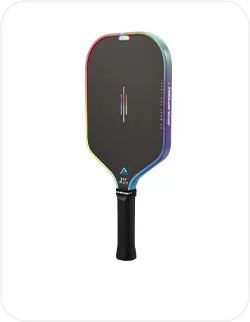
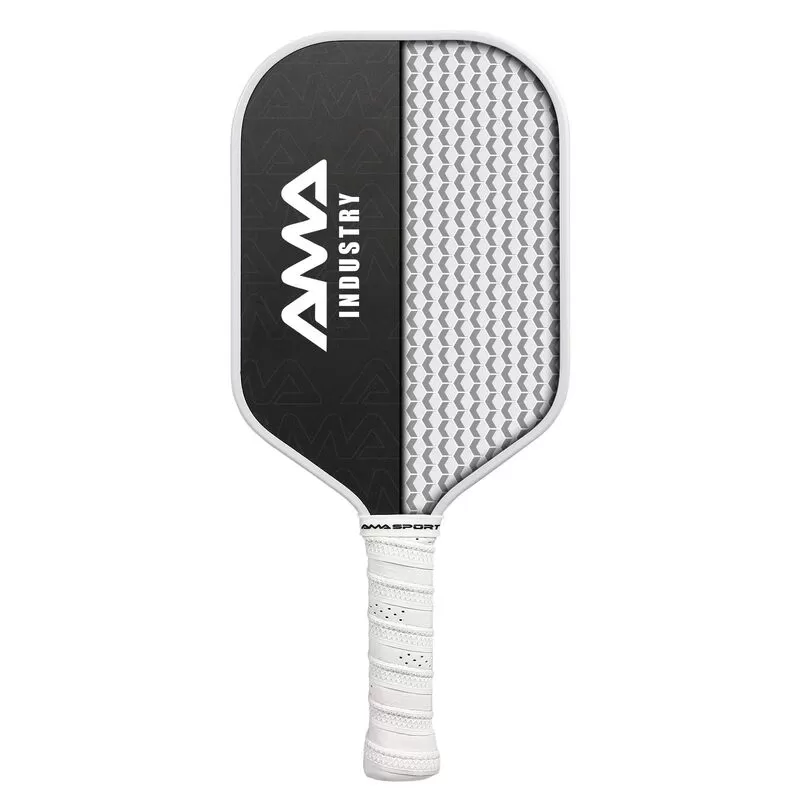
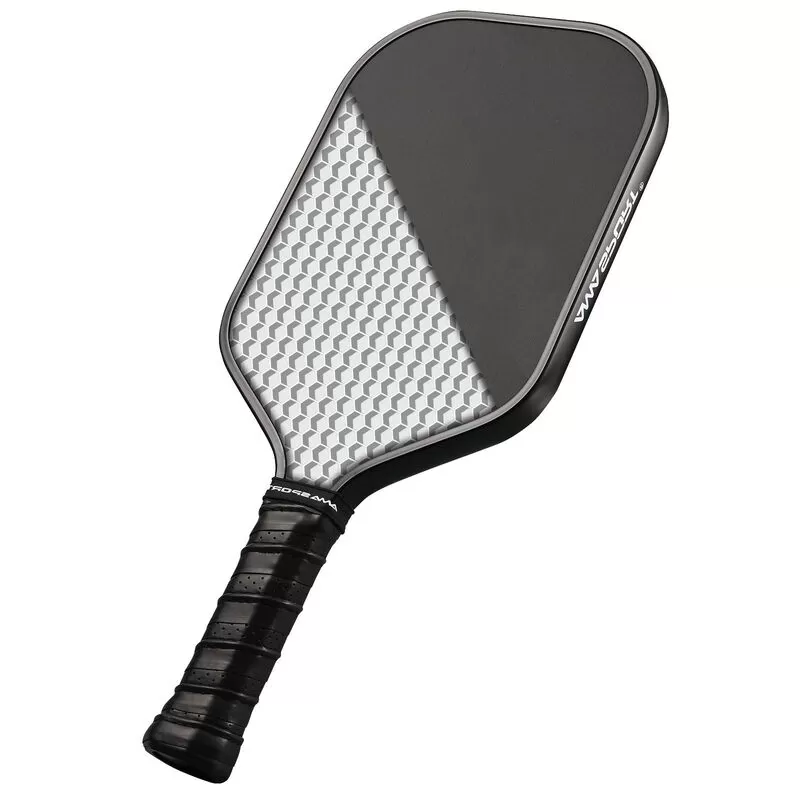
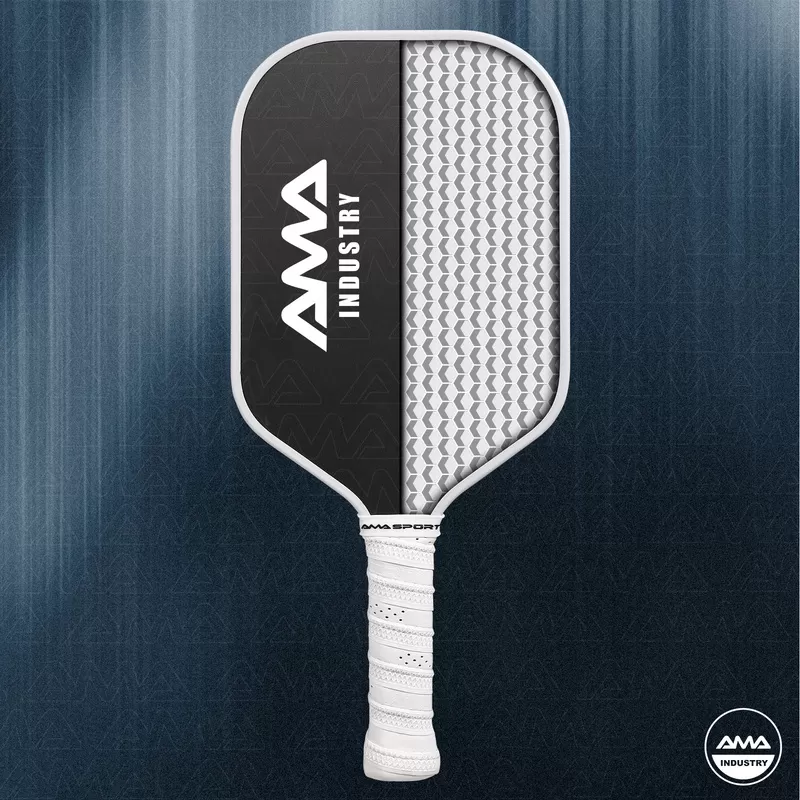
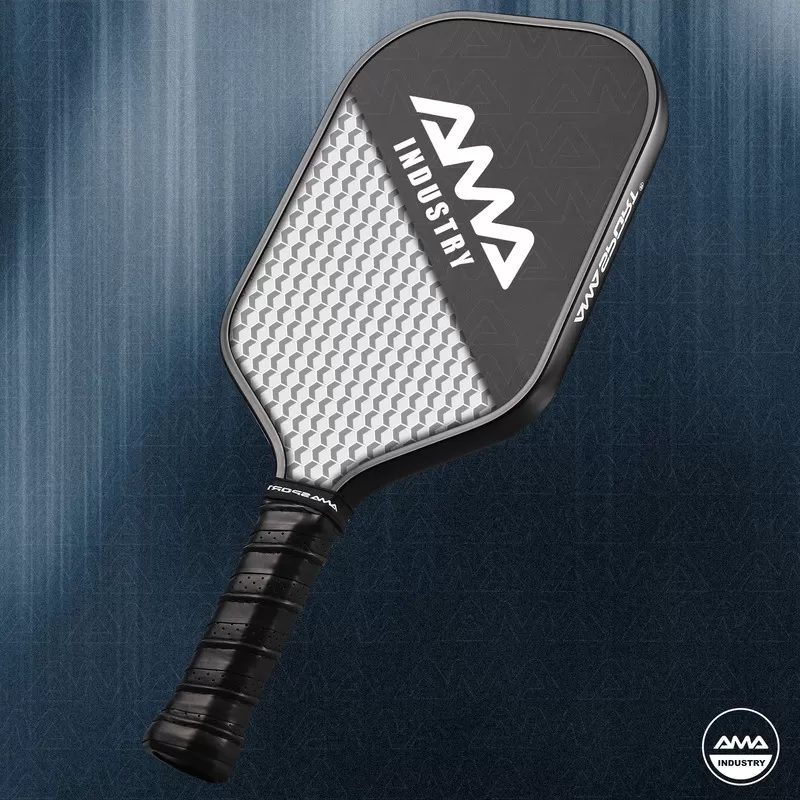
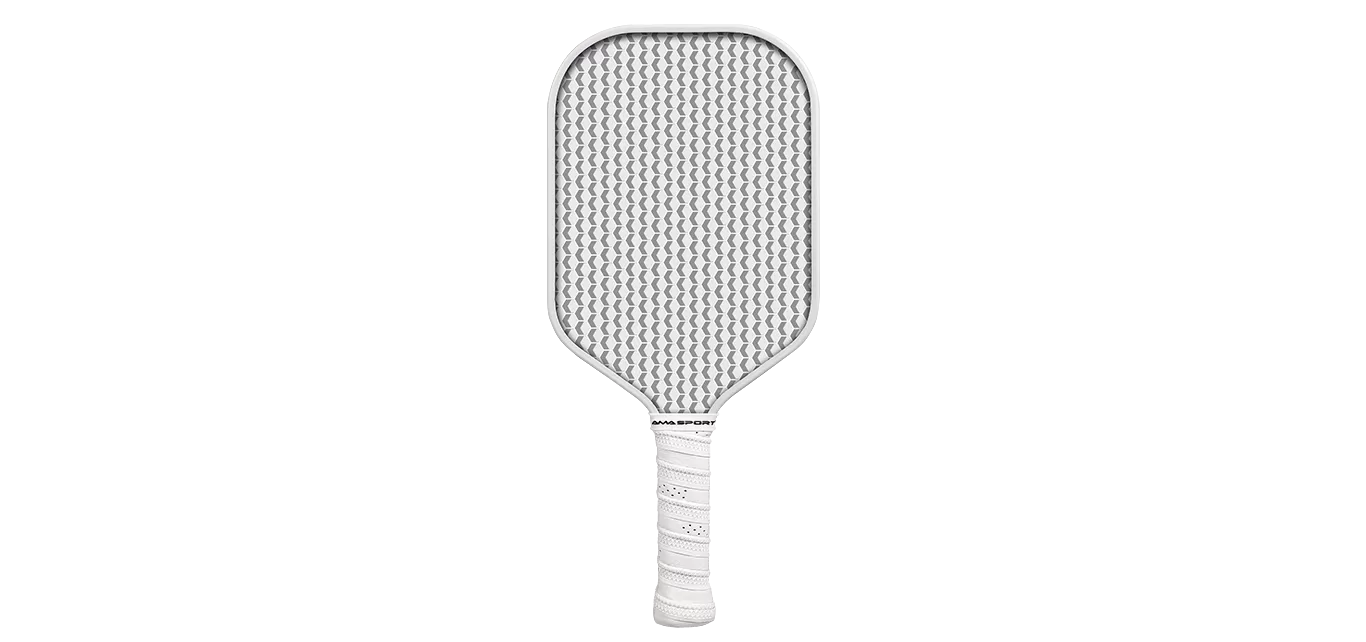
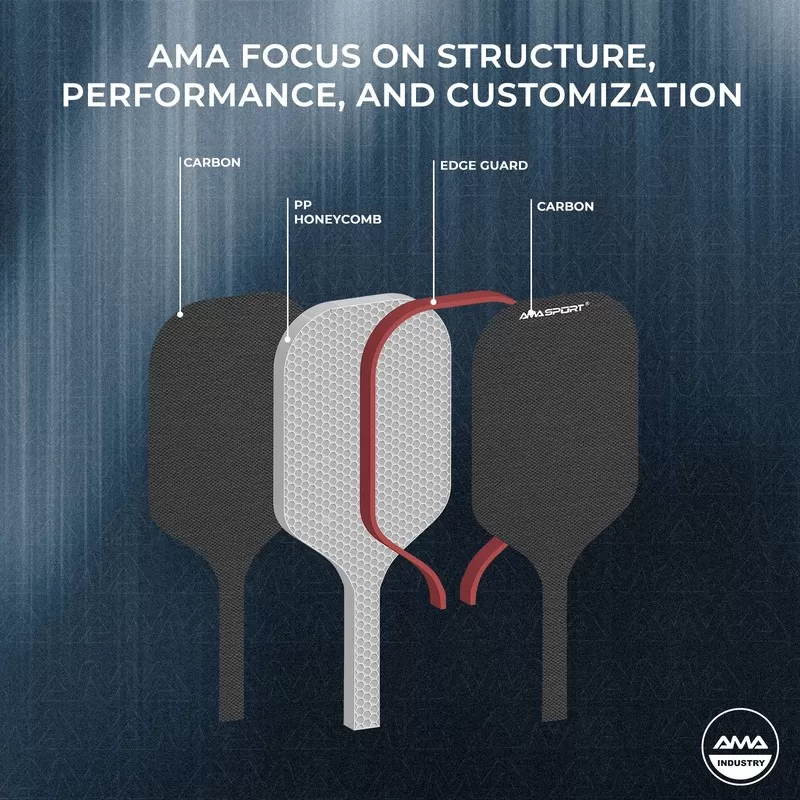
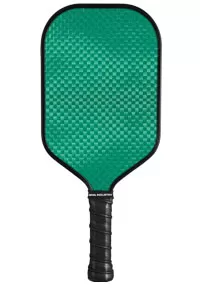
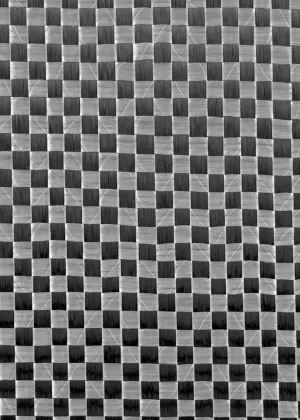
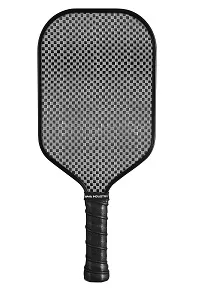
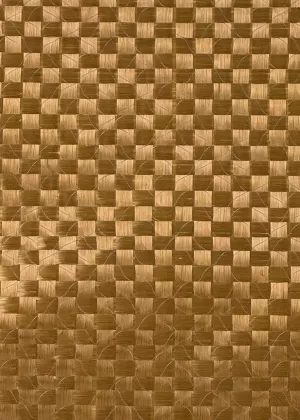
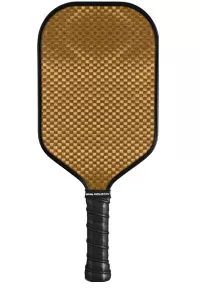
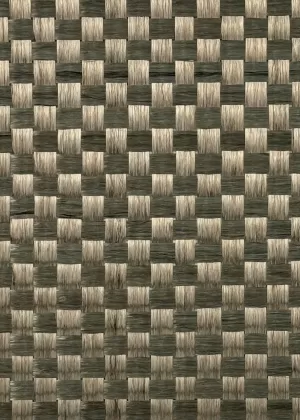
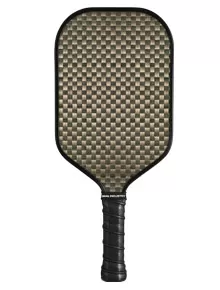
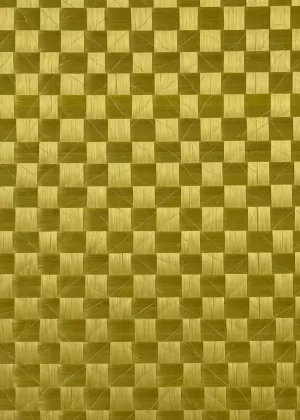
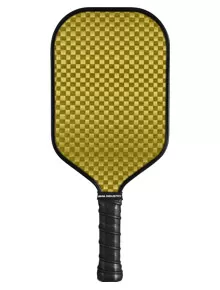
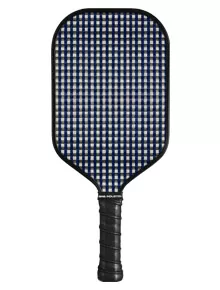
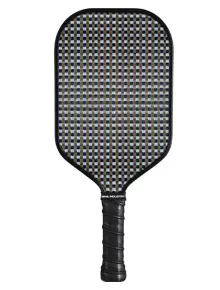
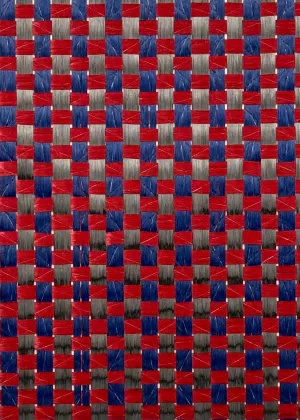
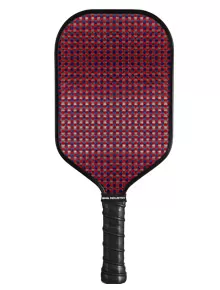
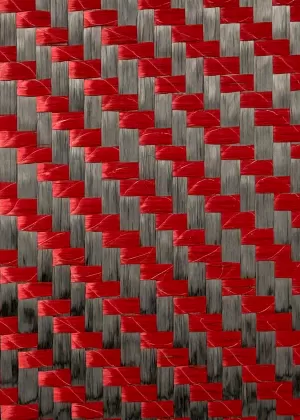
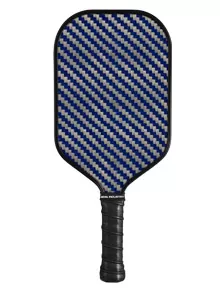
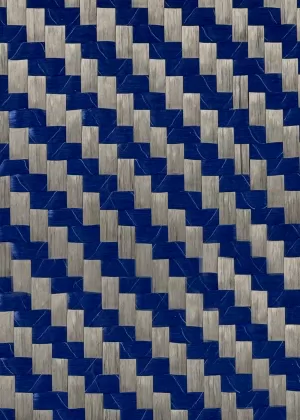
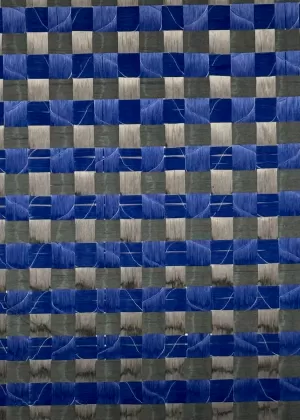
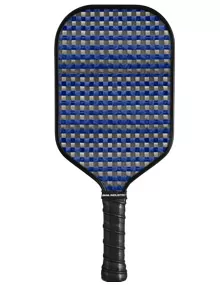
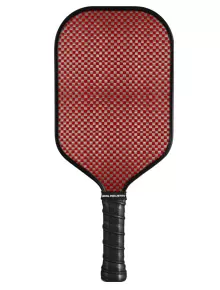
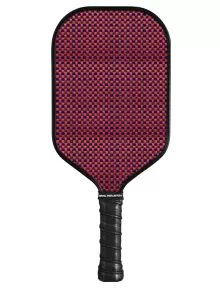
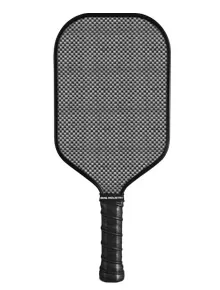
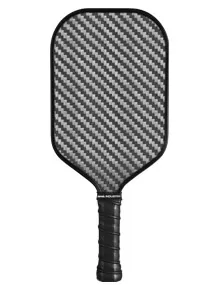
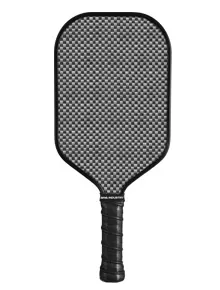
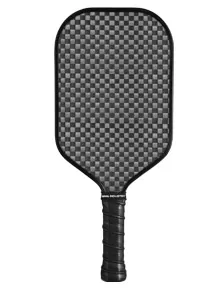
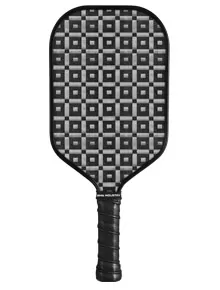
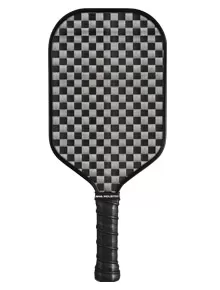
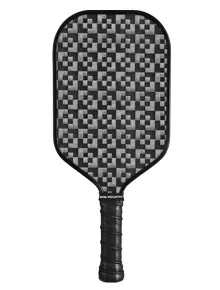
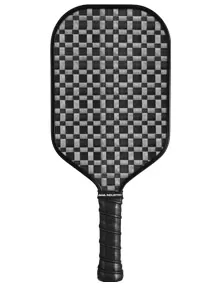
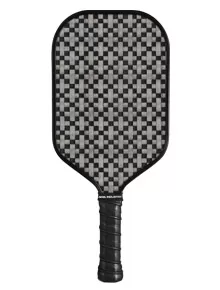
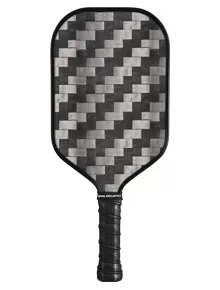
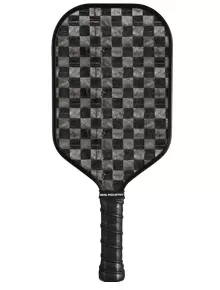
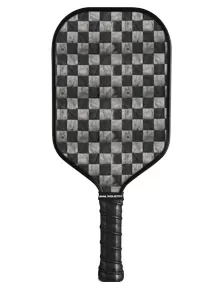
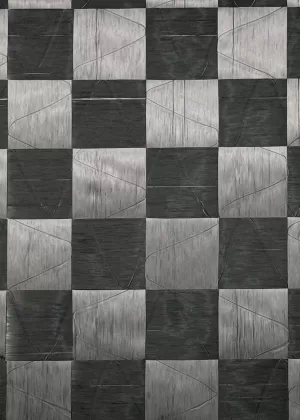
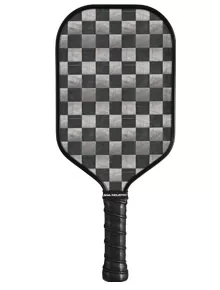
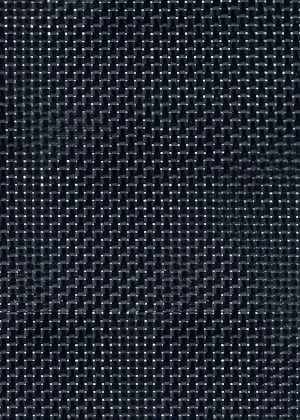
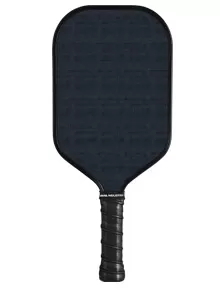
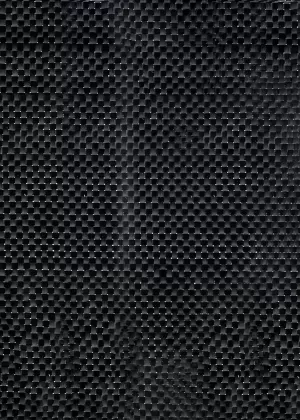
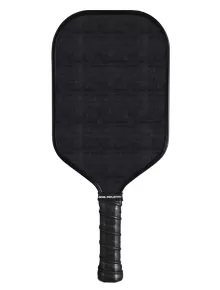
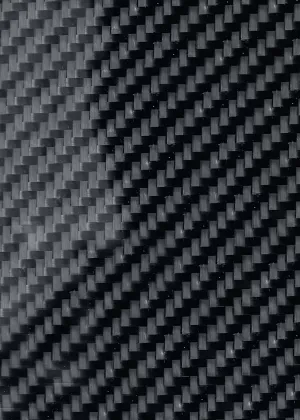
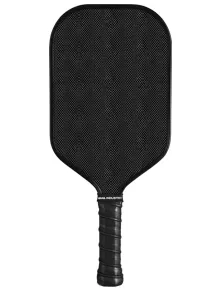
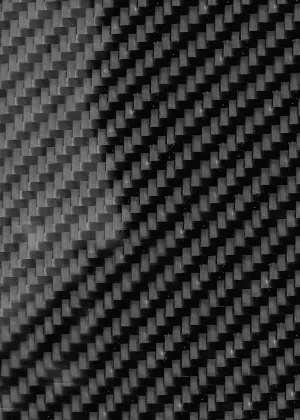
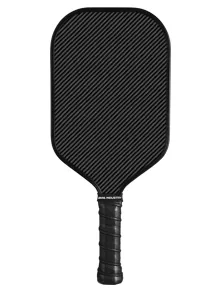
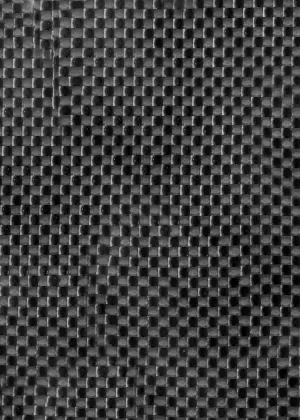
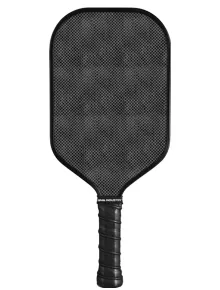
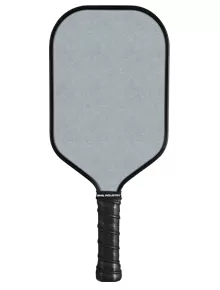
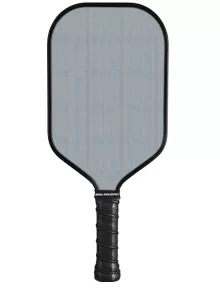
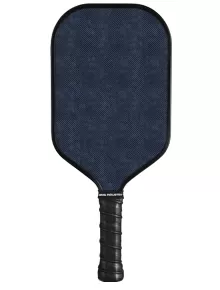
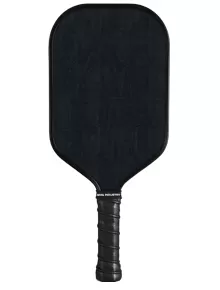
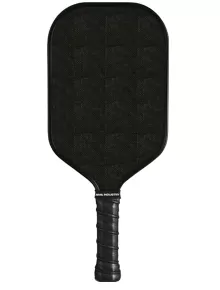
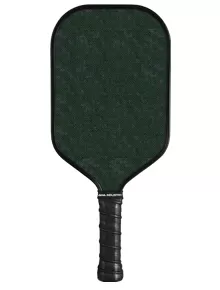
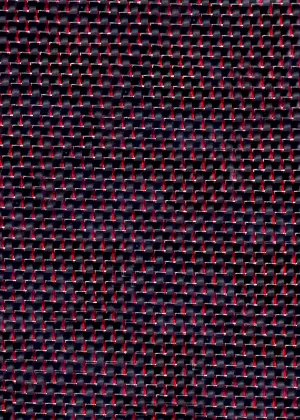
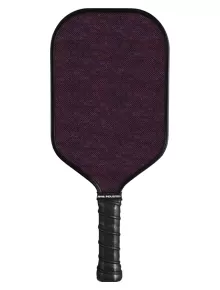
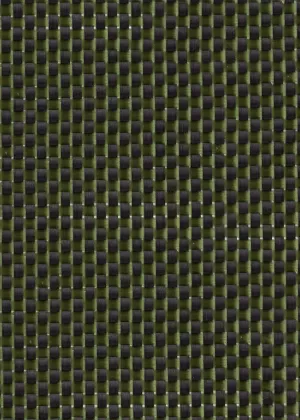
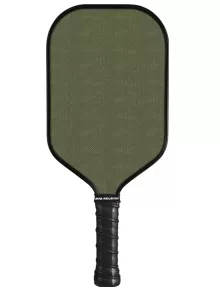
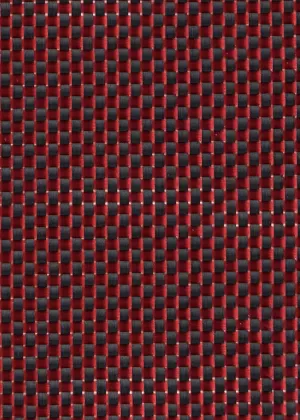
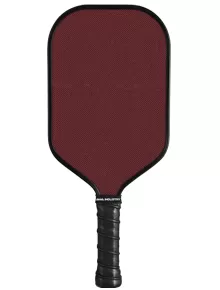
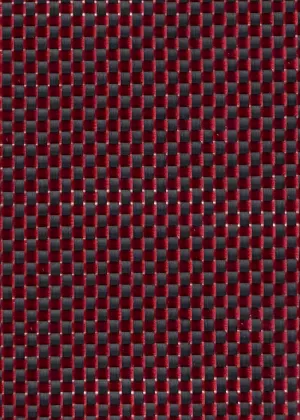
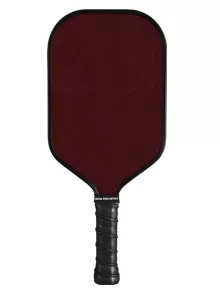
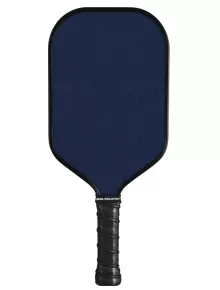
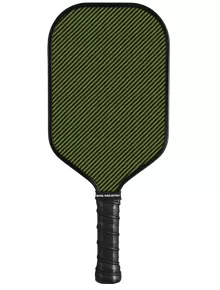
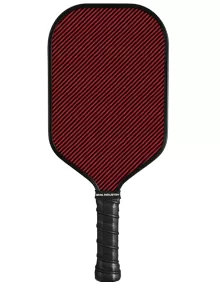
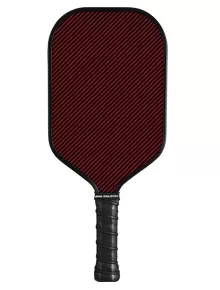
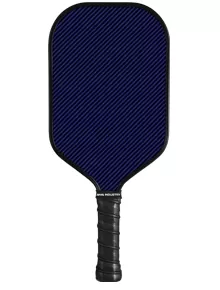
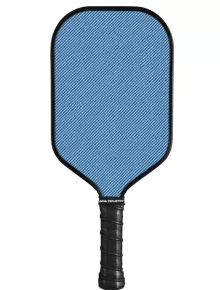
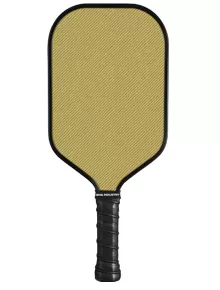
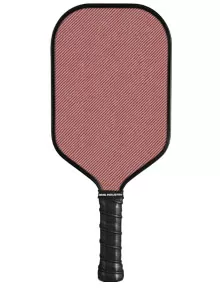
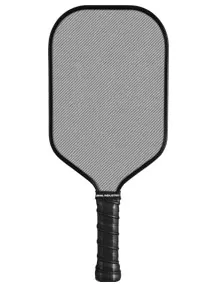
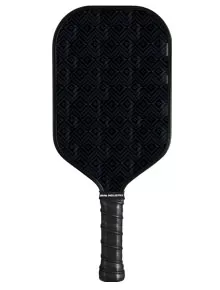
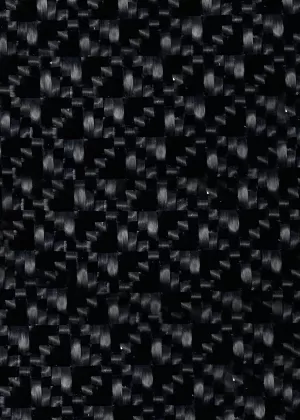
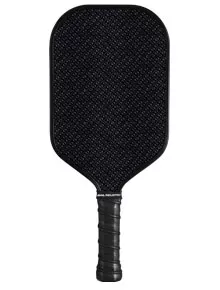
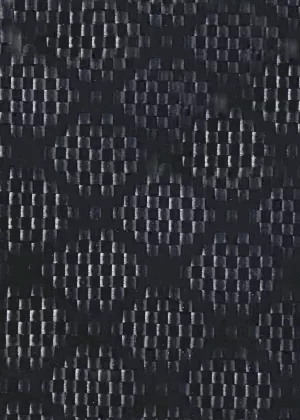
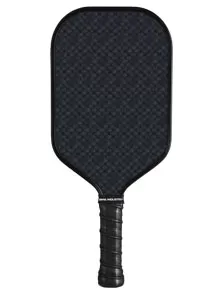
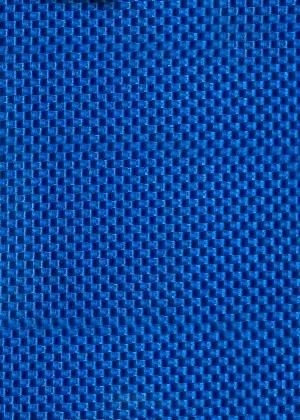
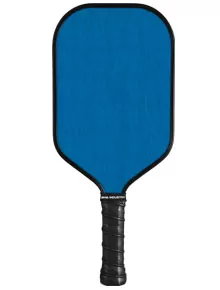
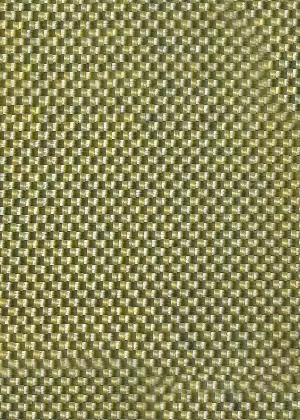
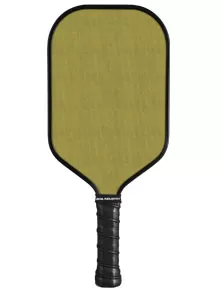
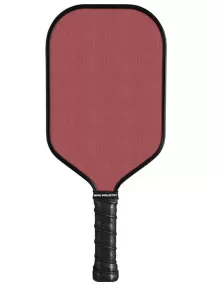
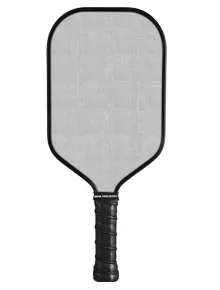
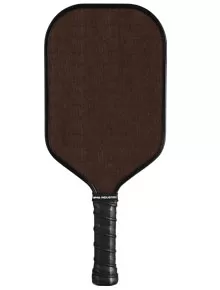
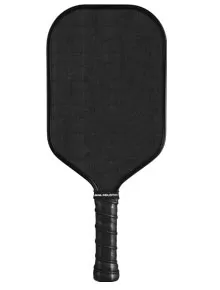
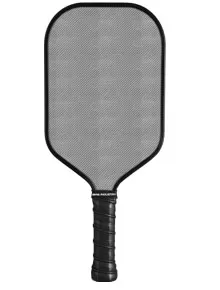
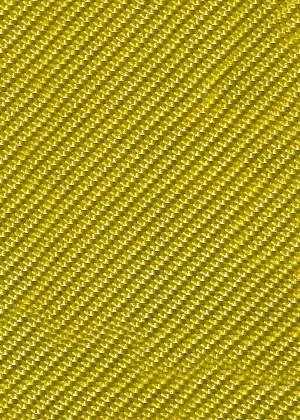
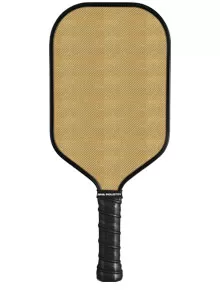
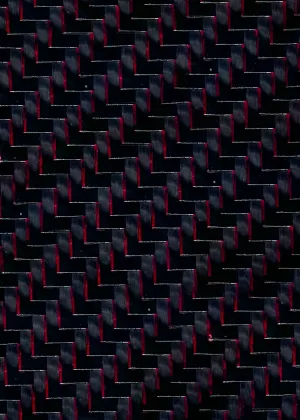
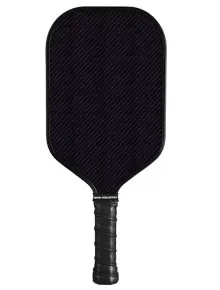
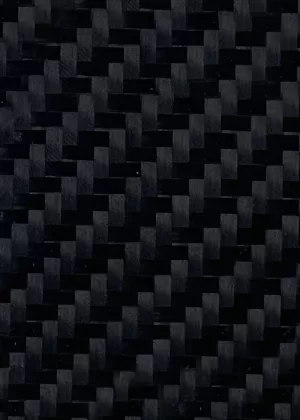
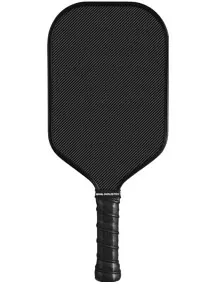
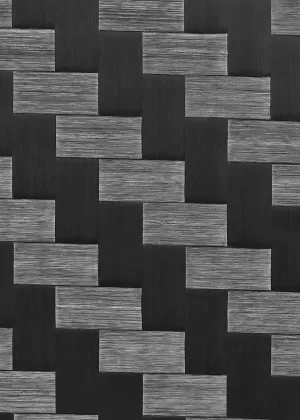
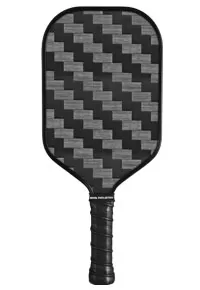
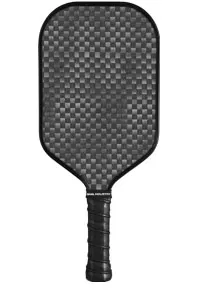
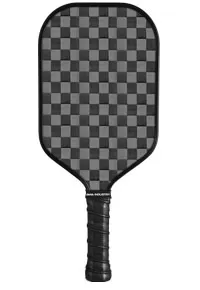
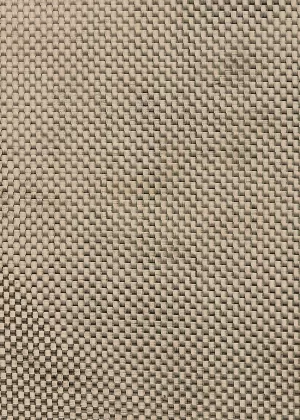
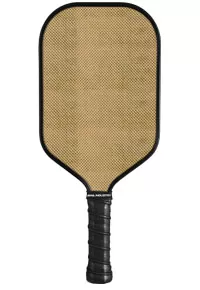
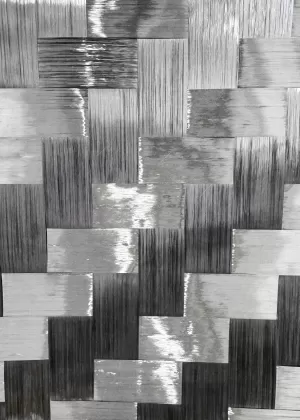
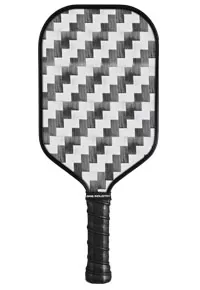
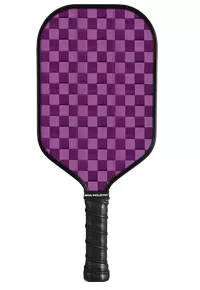
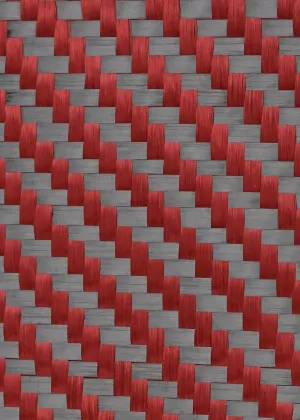
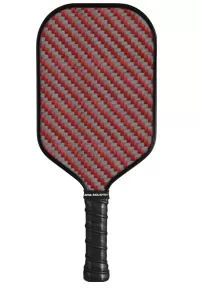
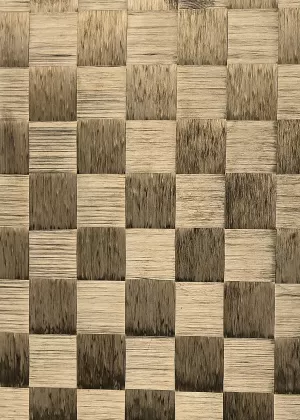
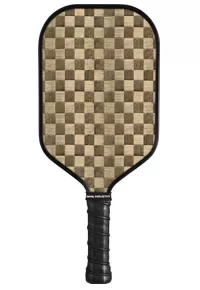
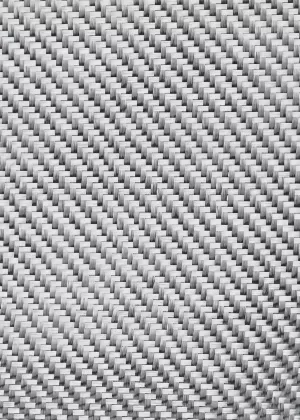
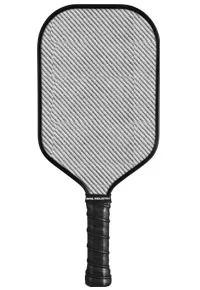
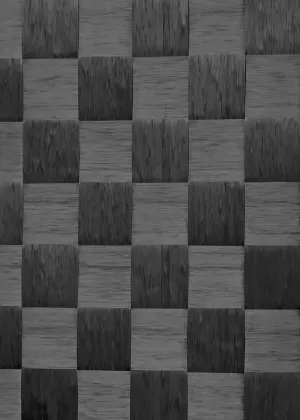
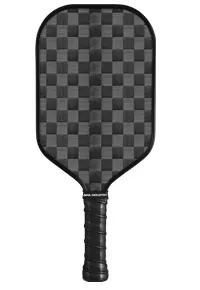
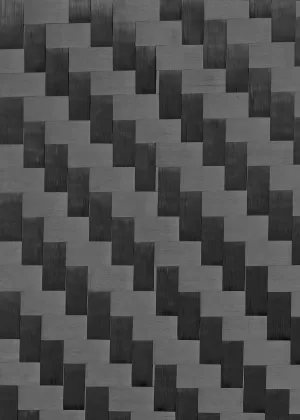
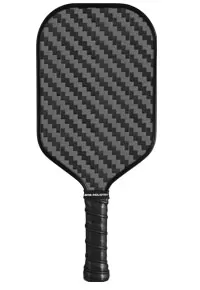
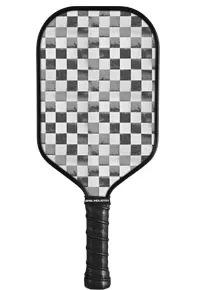
Gen 1 paddles are built on a traditional sandwich construction, consisting of:
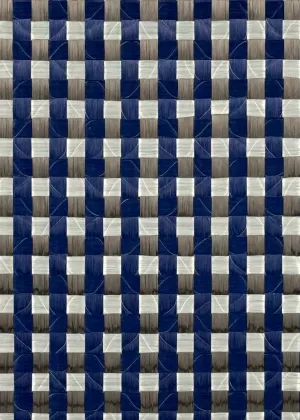
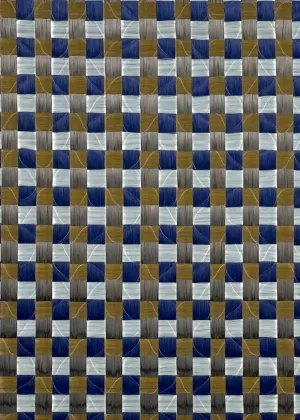
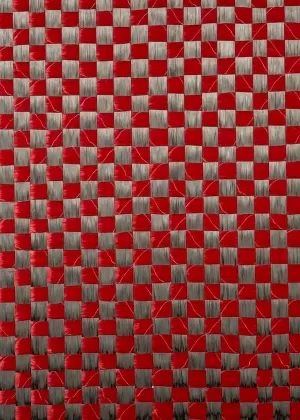
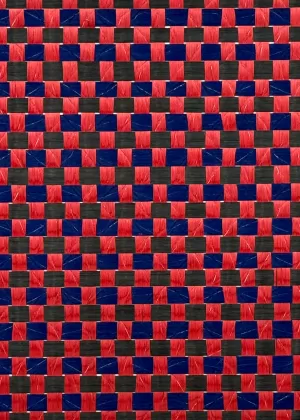
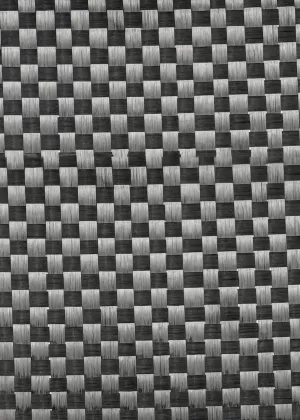
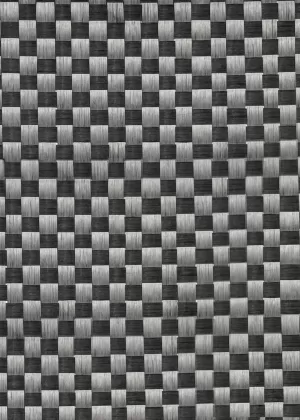
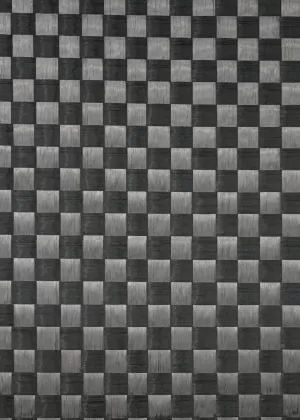
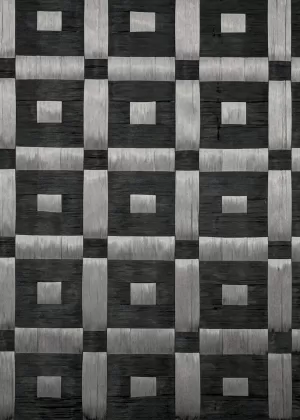
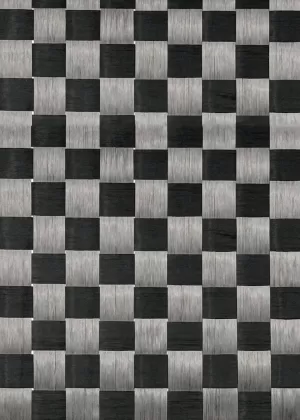
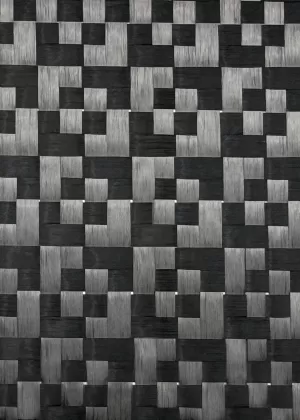
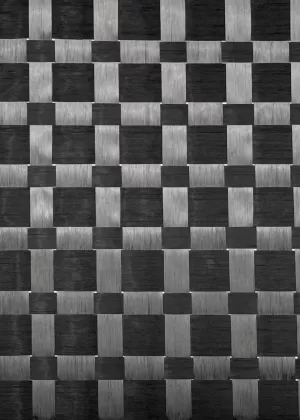
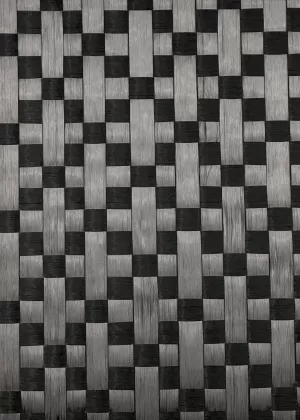
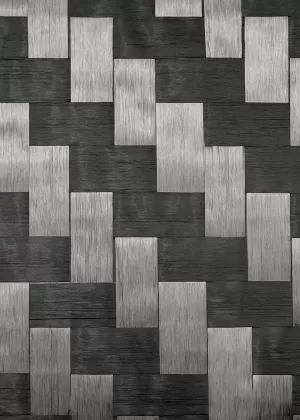
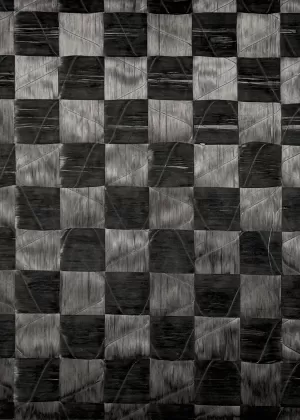
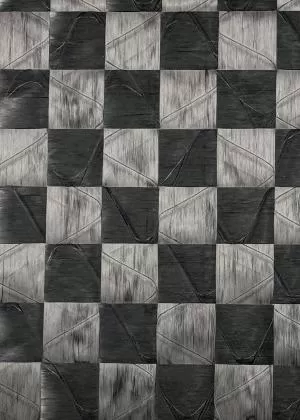
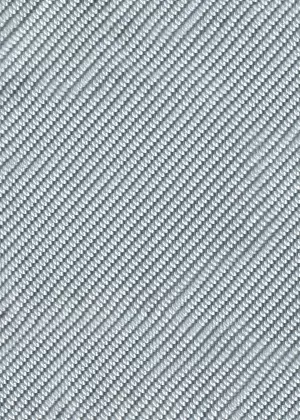
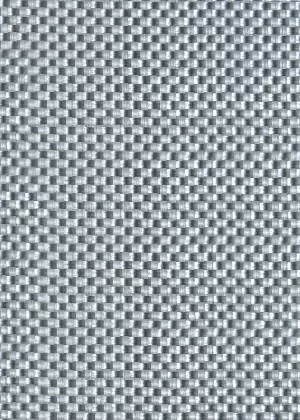
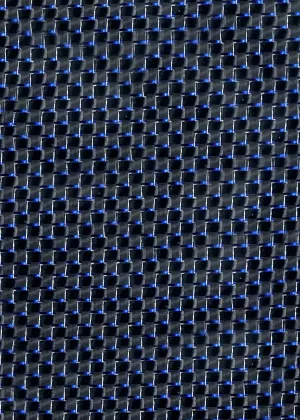
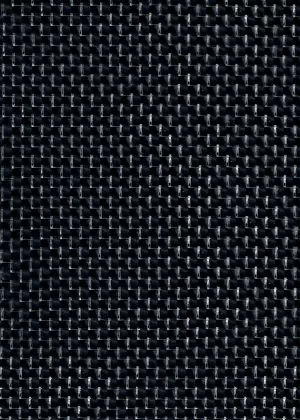
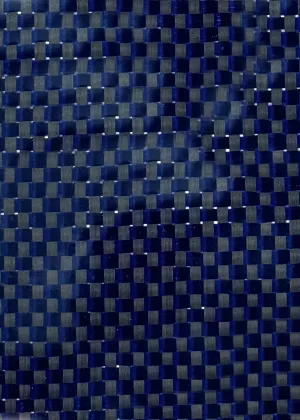
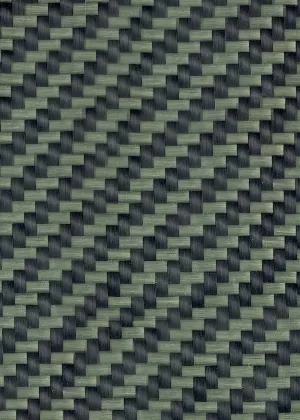
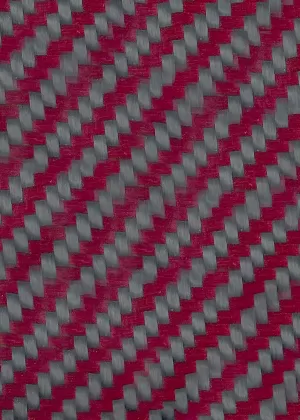
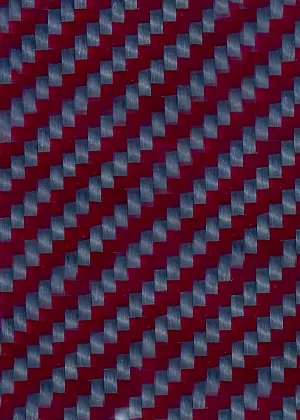
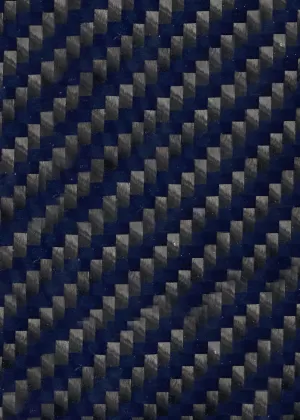
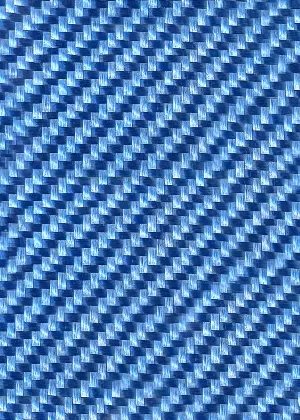
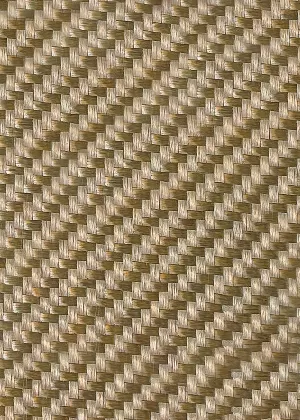
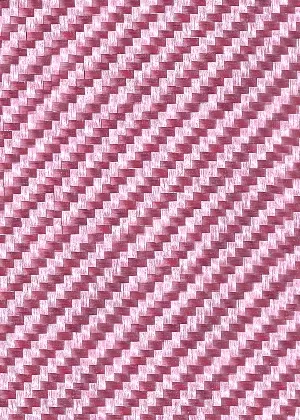
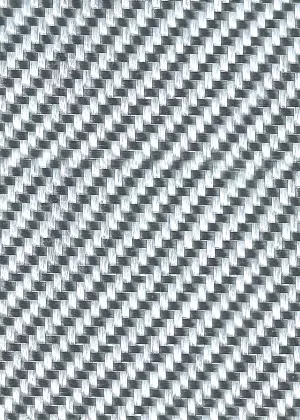
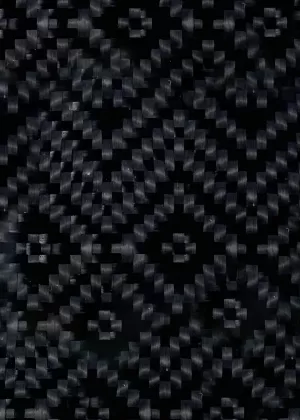
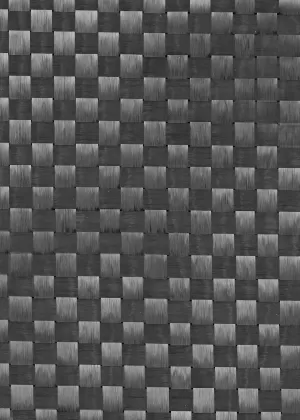
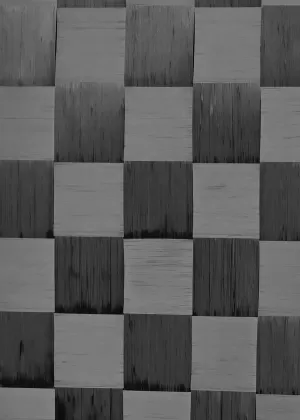
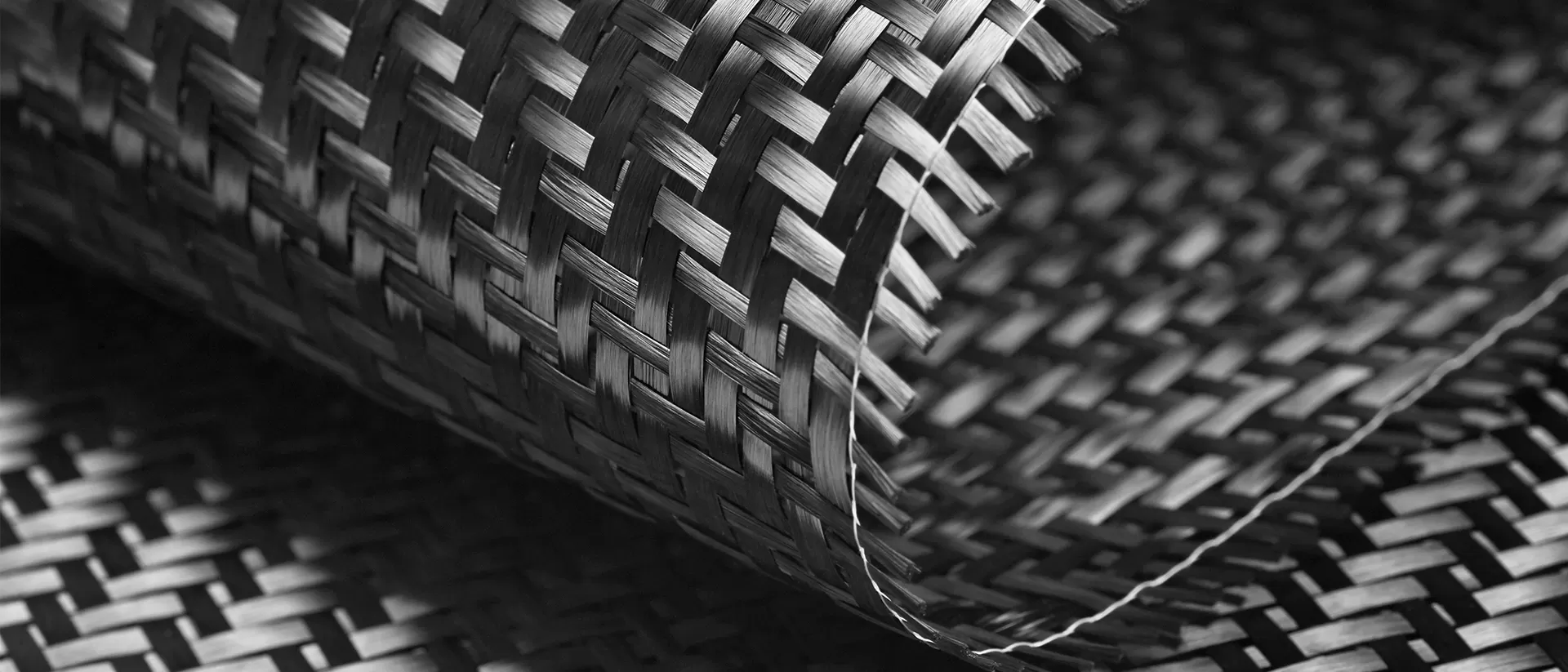
Reinforced face layers (fiberglass or carbon fiber)
A polymer honeycomb core (PP)
Layer-by-layer bonding through controlled pressing processes
This structure delivers predictable performance, stable output, and high batch consistency, making it ideal for large-scale production.
From a manufacturing perspective, Gen 1 paddles are defined by:
Non-thermoformed construction
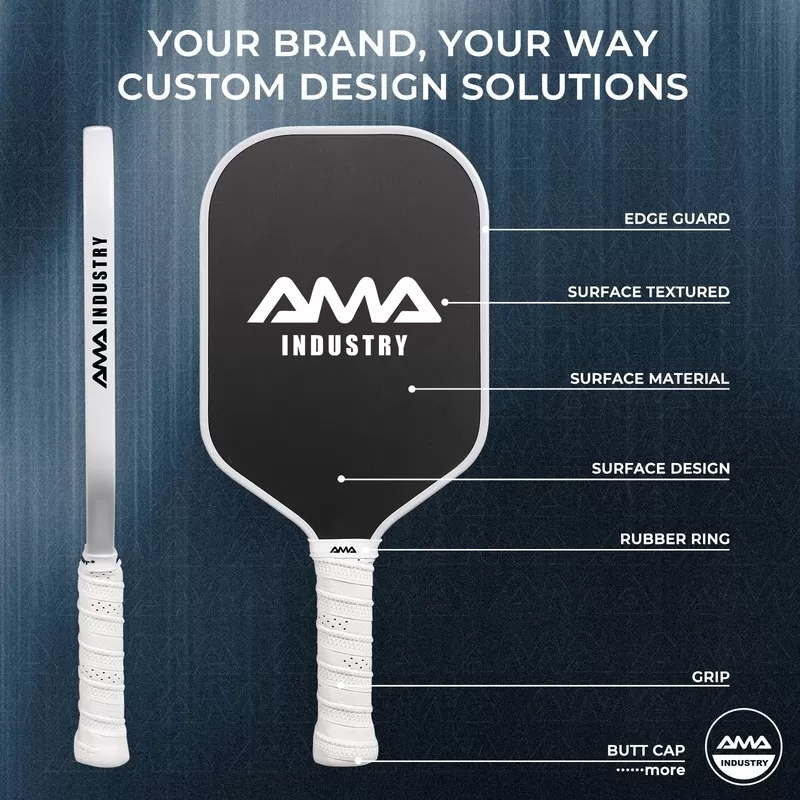
The paddle face and frame are produced separately and assembled through bonding and edge protection systems.
Independent edge guard system
Plastic edge guards are applied to protect the paddle perimeter and ensure durability during repeated use.
Single-core architecture
Performance is primarily determined by the honeycomb core specifications and face materials, without integrated foam or structural reinforcement.
Gen 1 paddles deliver balanced, reliable performance, suitable for a wide range of players and markets:
Moderate power output
Stable control and predictable ball response
Clear impact feedback
Consistent sound and feel across batches
Rather than pushing performance extremes, Gen 1 designs focus on reliability, durability, and manufacturability.
Industrial Value of Gen 1
Even today, Gen 1 paddles remain highly relevant in:
Entry-level and mid-range product lines
Educational and recreational markets
OEM programs requiring cost efficiency and stability
Long-term repeat orders with strict consistency requirements
Their value lies not in complexity, but in manufacturing discipline and proven structure.
All advanced structures—from thermoformed frames to multi-foam core systems—are built upon the manufacturing foundation established by Gen 1.
From Gen 1, Manufacturing Evolves
From structure stability to structural engineering—this is how innovation begins at AMA Industry.

 EN
EN