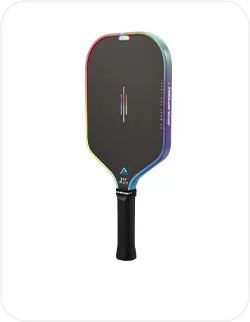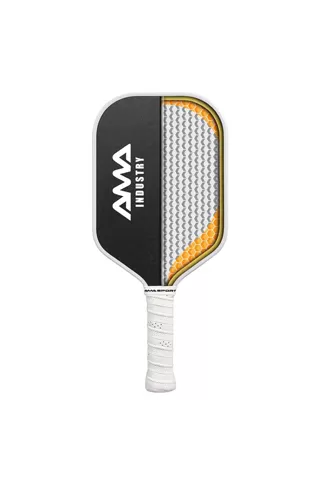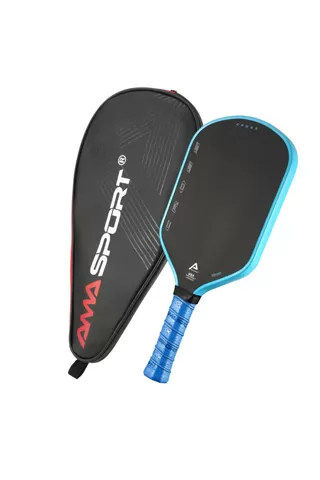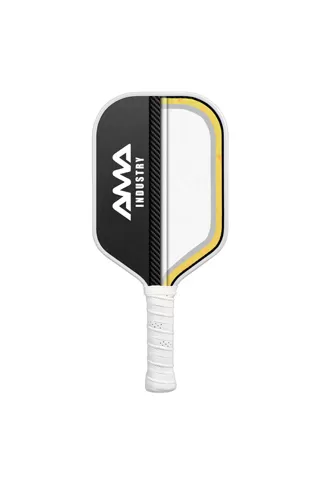

Since 2025, EPP material has become one of the most discussed core materials in the pickleball paddle industry. Compared with traditional PP honeycomb, EPP offers a different performance direction: lighter structure, better impact absorption, improved vibration control, and more freedom for structural design.
But EPP is not a single fixed material. Different hardness levels can create very different playing experiences. For paddle manufacturers, the key question is not simply “Is EPP good?” but “Which hardness of EPP is suitable for this paddle structure and target player?”
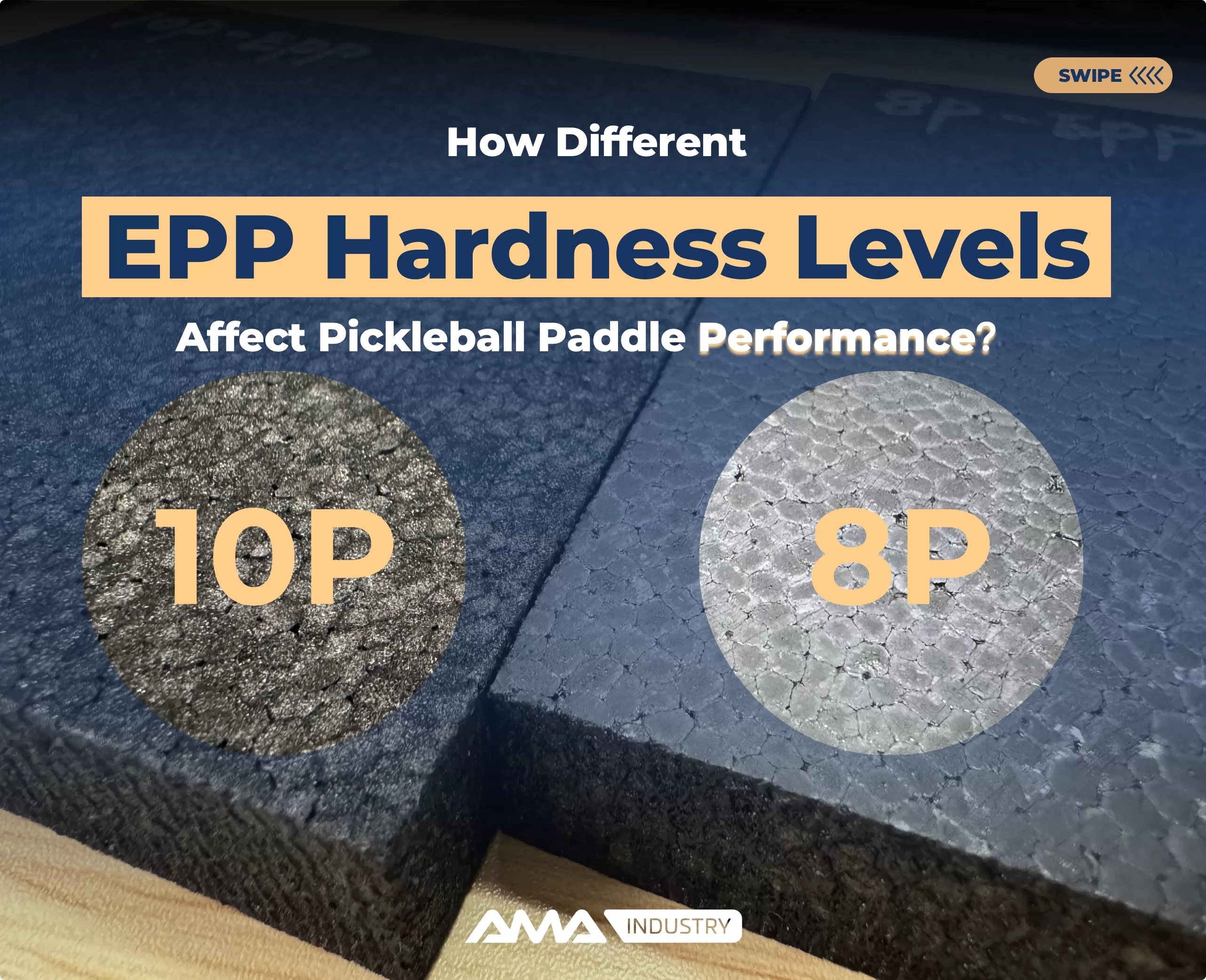
EPP, or Expanded Polypropylene, is a lightweight foam material with strong resilience and energy absorption. In pickleball paddles, it can be used in different ways: as an edge foam, a buffer zone, a partial core structure, or even as part of a full foam core system.
Its main value is not only reducing weight. More importantly, EPP changes how impact energy is absorbed, stored, and released during ball contact. This makes it an important material for paddles that aim to improve comfort, stability, power control, and off-center forgiveness.
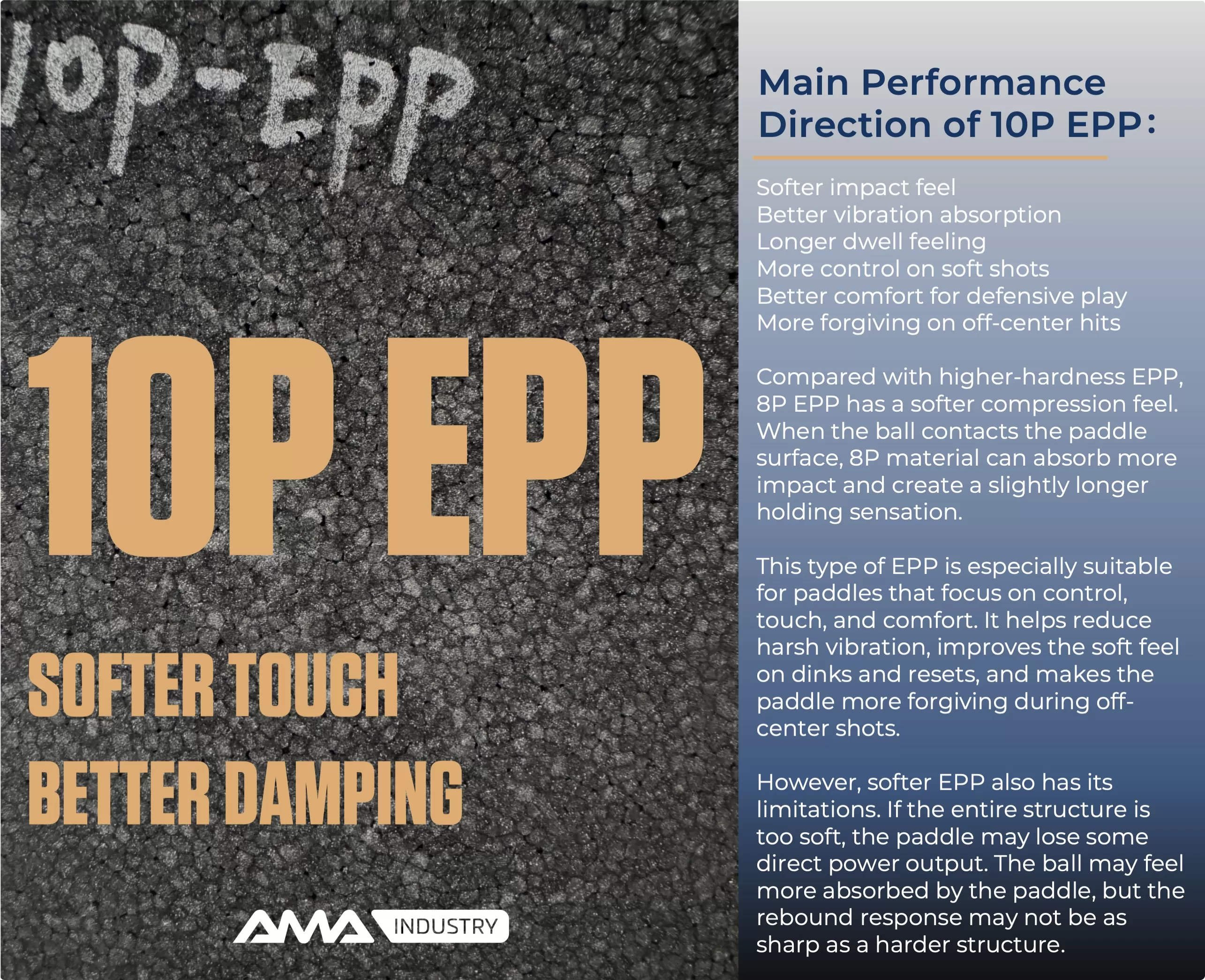
Compared with higher-hardness EPP, 10P EPP has a softer compression feel. When the ball contacts the paddle surface, 10P material can absorb more impact and create a slightly longer holding sensation.
This type of EPP is especially suitable for paddles that focus on control, touch, and comfort. It helps reduce harsh vibration, improves the soft feel on dinks and resets, and makes the paddle more forgiving during off-center shots.
However, softer EPP also has its limitations. If the entire structure is too soft, the paddle may lose some direct power output. The ball may feel more absorbed by the paddle, but the rebound response may not be as sharp as a harder structure.
Softer impact feel
Better vibration absorption
Longer dwell feeling
More control on soft shots
Better comfort for defensive play
More forgiving on off-center hits
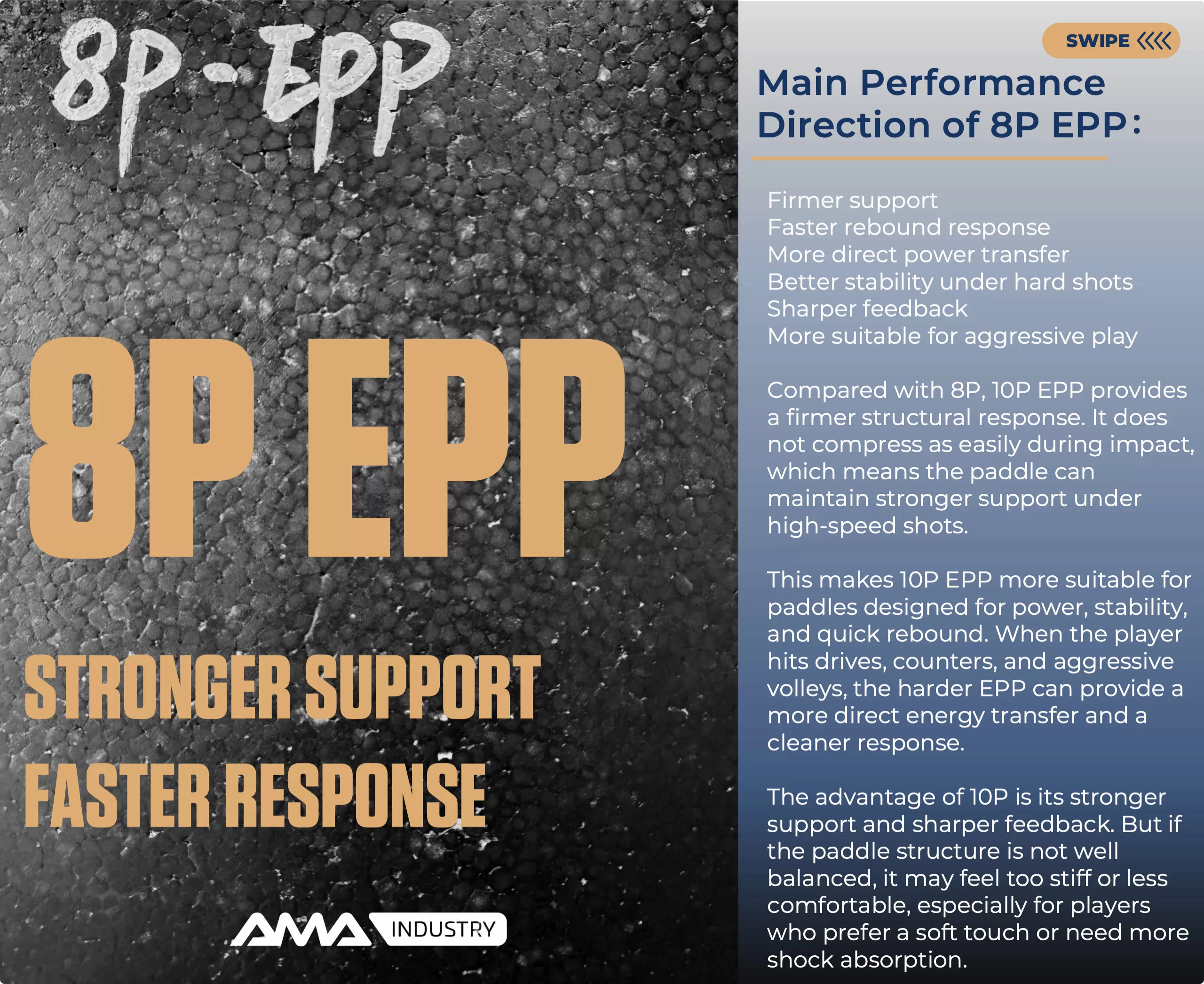
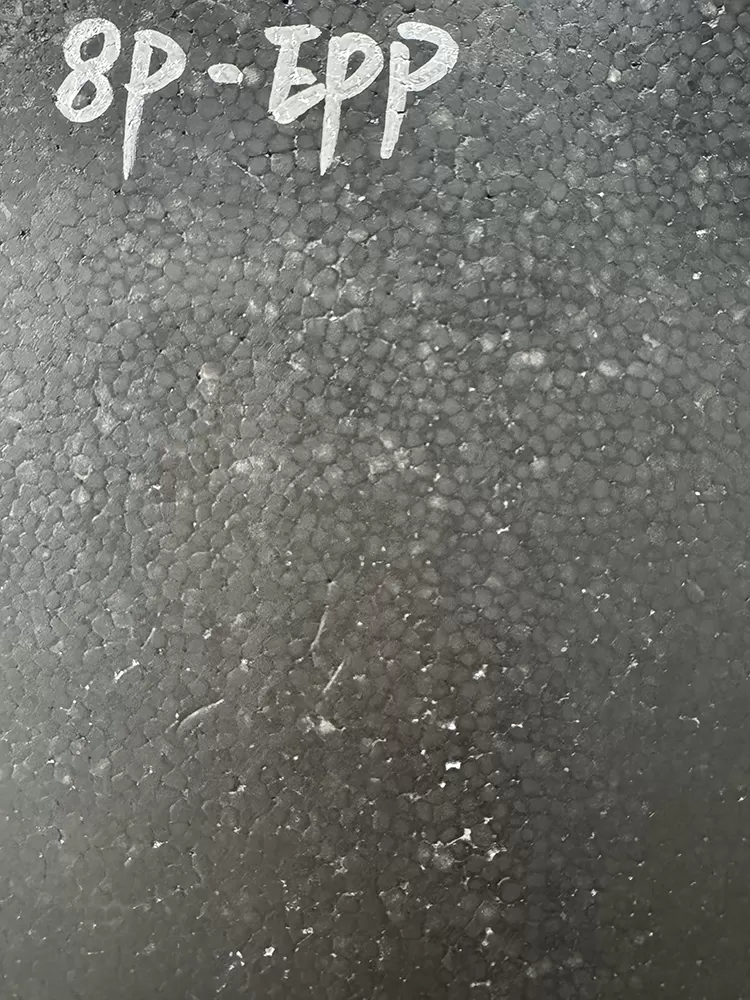
Compared with 10P, 8P EPP provides a firmer structural response. It does not compress as easily during impact, which means the paddle can maintain stronger support under high-speed shots.
This makes 8P EPP more suitable for paddles designed for power, stability, and quick rebound. When the player hits drives, counters, and aggressive volleys, the harder EPP can provide a more direct energy transfer and a cleaner response.
The advantage of 8P is its stronger support and sharper feedback. But if the paddle structure is not well balanced, it may feel too stiff or less comfortable, especially for players who prefer a soft touch or need more shock absorption.
Firmer support
Faster rebound response
More direct power transfer
Better stability under hard shots
Sharper feedback
More suitable for aggressive play
The difference between 10P and 8P EPP should not be understood as a simple upgrade relationship. Harder does not always mean better, and softer does not always mean lower performance.
10P creates a more comfortable and controlled playing experience. 8P creates a more supportive and responsive playing experience. The final paddle performance depends on how the EPP is combined with the face material, core thickness, foam channel, frame structure, carbon layup, and overall weight balance.
For example, a 10P EPP structure combined with a stiff carbon fiber surface can balance comfort and control. An 8P EPP structure combined with a more flexible surface layer can maintain power while reducing harshness. This is why material selection must be considered as part of the whole paddle system, not as an isolated component.
Softer EPP, such as 10P, usually provides better touch and a more controlled feel. It allows the paddle to absorb part of the ball impact, which helps players manage soft shots, resets, blocks, and dinks.
Harder EPP, such as 8P, usually provides a more direct rebound. It gives stronger support behind the hitting surface and allows the energy to return faster during powerful shots.
10P EPP has stronger damping characteristics and can reduce uncomfortable vibration more effectively. 8P EPP is firmer, so it may deliver clearer feedback but less softness.
Both 10P and 8P can improve stability, but they do it in different ways. 10P improves forgiveness through cushioning. 8P improves stability through structural support. For edge areas or transition zones, the choice of hardness can strongly affect how the paddle performs when the ball is hit outside the sweet spot.
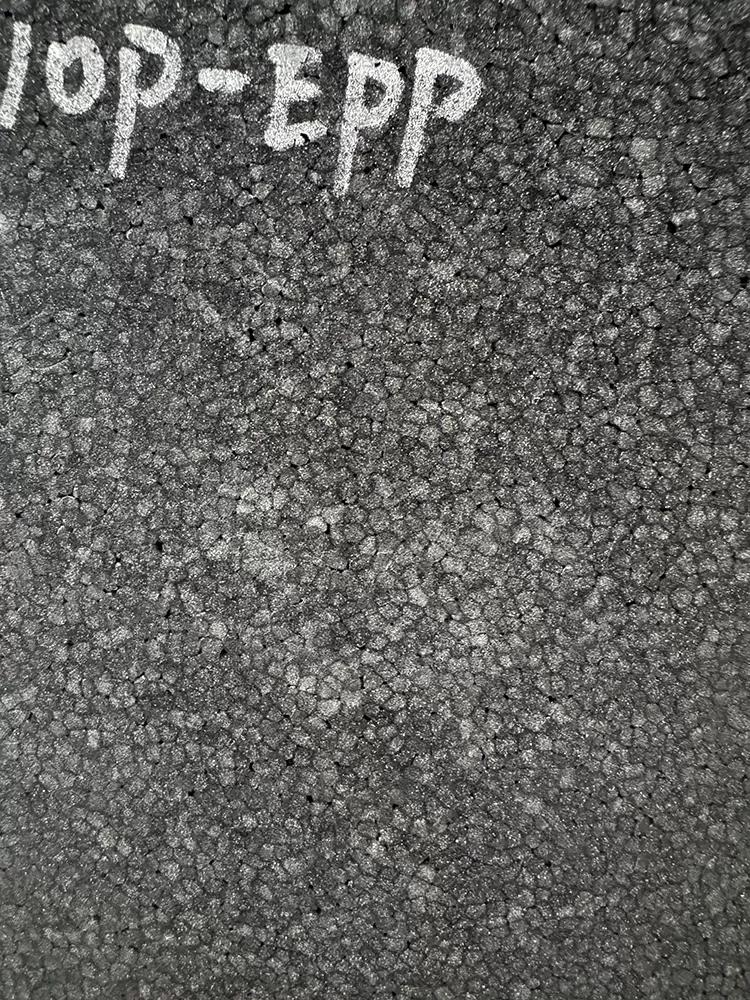
For control-oriented paddles, 10P EPP is a strong option. It can help create a softer feel, better damping, and a more forgiving response. This is suitable for players who value touch, resets, defensive control, and comfort.
For power-oriented paddles, 8P EPP is more suitable. It provides firmer support, faster rebound, and stronger energy transfer. This is suitable for players who prefer aggressive drives, counters, fast hands, and powerful attacks.
For all-court paddles, a hybrid structure may be the best solution. Manufacturers can use different EPP hardness levels in different areas of the paddle, such as softer EPP near the edge for comfort and harder EPP in the main support zone for power and stability.
For AMA Industry, EPP is not only a new material option. It is also a new platform for developing more advanced paddle structures, more precise performance tuning, and more differentiated products for global pickleball brands.

 EN
EN