
An AMA Industry Perspective
One of the most common misconceptions we see in the market is this:
Carbon fiber performance is judged purely by how it looks.
At AMA Industry, as a manufacturer working directly with material systems and production processes, we know that surface appearance is only a small part of the equation.
In reality, what you see is mainly influenced by two key factors:
Spread Tow
Fabric Weight (GSM)
Spread tow is a processing method where carbon fiber bundles are flattened and widened before weaving.
What happens during this process:
The weave becomes wider and cleaner
The surface appears more uniform
The texture becomes less pronounced
This is why in the market:
18K is often perceived as “high-end”
3K appears more textured or raw
AMA Industry Insight
From a manufacturing standpoint:
Spread tow primarily affects visual appearance — not performance hierarchy.
We regularly see:
High-quality spread 3K visually matching lower-grade 12K or 18K
Poorly processed 18K underperforming due to weak structure integration
Conclusion:
Appearance consistency ≠ performance consistency
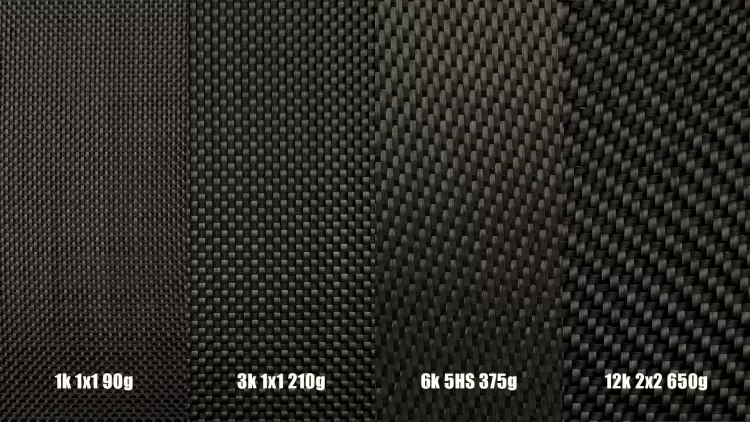
While “K” defines bundle size, GSM defines material density — which directly impacts performance.
At AMA Industry, GSM is one of the core parameters we control during product development.
It directly affects:
Stiffness
Energy return
Durability
Impact feel
Performance Comparison
Low GSM carbon
Lighter
More flexible
Longer dwell time
High GSM carbon
Stiffer
More direct rebound
Higher power output
Critical Manufacturing Insight
Two paddles can both use “18K carbon” —
but perform completely differently due to GSM, layering, and resin systems.
This is why material labeling alone is insufficient.
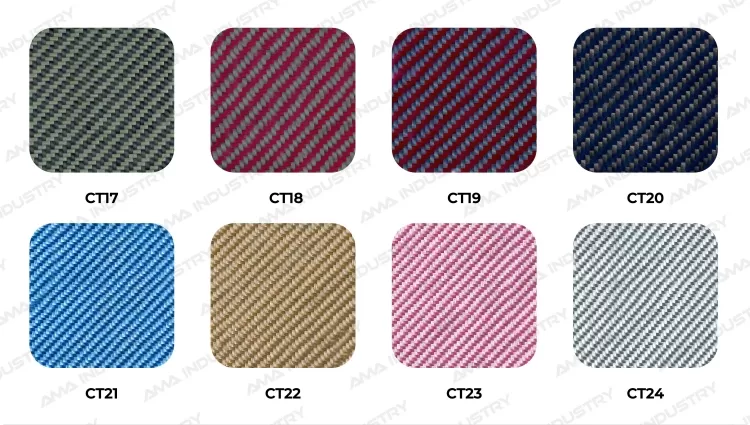
From what we observe across OEM and ODM projects:
Most brands highlight:
“18K carbon” (easy to market)
But rarely specify:
Spread tow level
Fabric weight (GSM)
Layer structure
Resin system
So the market simplifies it to:
“Bigger weave = better paddle”
At AMA Industry, we know this is not how performance is engineered.
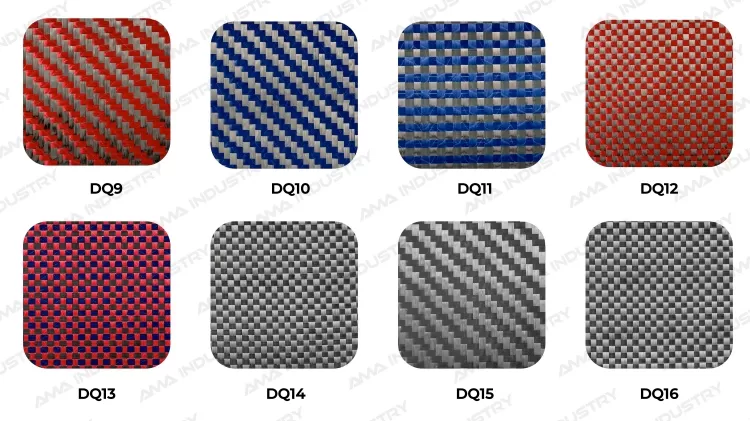
From a true manufacturing perspective, surface performance is defined by a system, not a label.
At AMA Industry, we evaluate:
Fiber type (3K / 12K / 18K)
Spread tow degree
GSM (material density)
Layer structure (single vs multi-layer)
Resin formulation
Integration with core structure
Performance comes from interaction — not a single parameter.
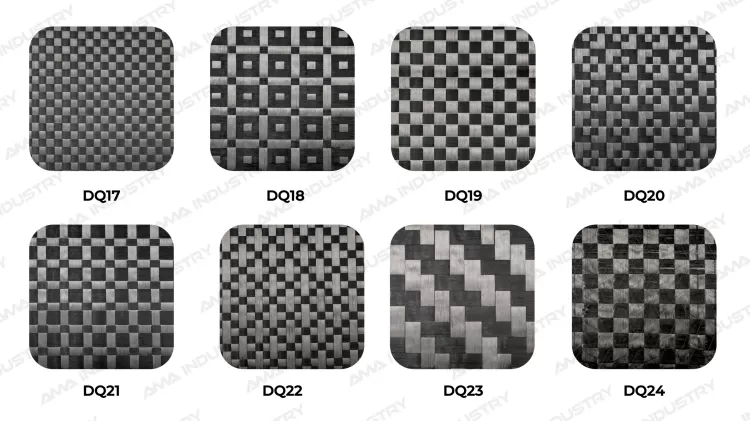
Instead of asking:
“Is it 18K?”
At AMA Industry, we guide our clients to ask:
Is it spread tow or standard weave?
What is the GSM of the carbon layer?
How many layers are used?
How does it integrate with the core system?
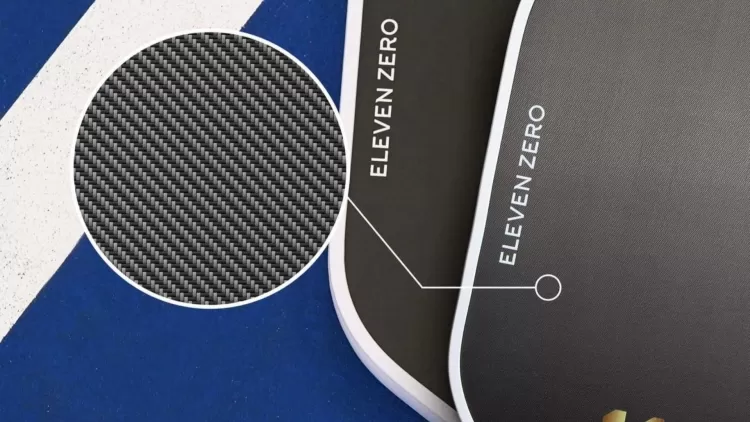
18K carbon became popular largely because of how it looks —
not necessarily because of how it performs.
At AMA Industry, our approach is simple:
We don’t select materials based on labels.
We engineer them based on performance targets.
As a professional OEM/ODM manufacturer of composite racquet sports equipment:
We work across multiple carbon systems
We customize GSM, layup, and structure
We optimize materials based on player needs and performance goals
In high-performance paddles,
engineering matters more than appearance.


 EN
EN