
Tennis balls are usually made of a rubber core and an outer felt layer (composed of felt and wool yarn structure), so the appearance can directly reflect the workmanship and material quality. When selecting, first check if the ball is round and full, if the seams are neat, and if the surface is clean. Focus on checking for stains, damage, delamination, and issues like felt shedding, uneven fuzz, or local sparseness.
High-quality tennis balls should have tightly adhered felt that is evenly covered and not easily rubbed off or curled up; the ball surface should not show irregular bulges or noticeable deformation. If the felt edges are prone to curling up or shedding heavily, it often indicates poor bonding process or materials, making it more likely to lose shape and have unstable flight subsequently.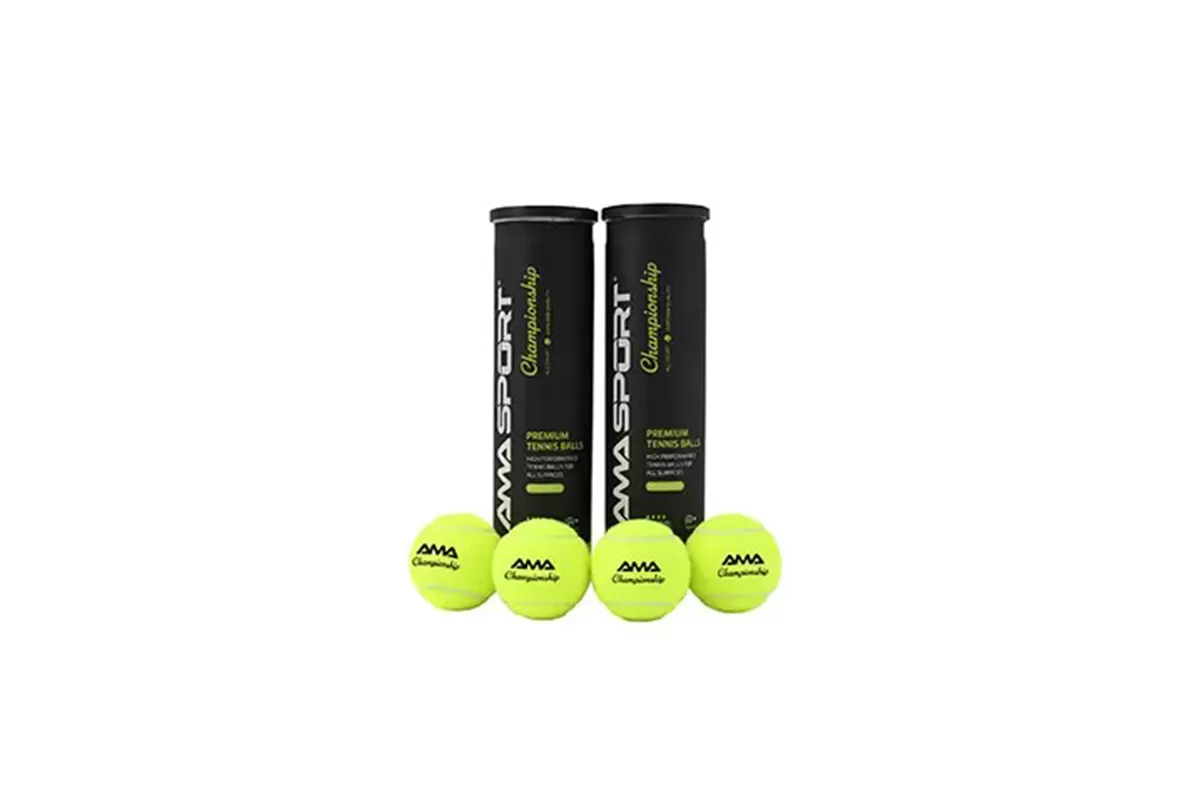
The feel is crucial in determining if a tennis ball is "playable." Gently squeeze the tennis ball by hand; a high-quality ball will have moderate elasticity and rebound, not too hard or brittle, nor too soft and collapsing. Then weigh it: balls with stable quality have a more balanced feel, and there should not be significantly lighter or heavier balls within the same can or package.
Elasticity can be simply tested using the free fall method: drop the tennis ball from a fixed height (such as about 1.5 meters) and observe the rebound height and speed. A high-quality tennis ball should rebound moderately and steadily, with consistent performance in multiple tests. If the rebound is significantly low or sluggish, it may be due to insufficient air pressure, poor rubber formulation, or performance degradation due to prolonged storage.
Durability needs to be verified through multiple hits and continuous use. High-quality tennis balls should be able to withstand multiple rallies without easily unraveling, shedding, or quickly losing shape, while maintaining relatively stable elasticity and feel over time. Generally, the more wear-resistant the felt and the more secure the bonding, the less likely it is to "go bald" on hard courts or in high-intensity play. If large areas of felt wear down, seams loosen, or the ball deforms significantly shortly after use, it indicates weak durability.
Also, choose the appropriate type based on the venue and needs: Extra Duty felt is thicker and more wear-resistant, suitable for hard courts; Regular Duty felt is relatively lightweight, suitable for clay or indoor courts where wear is minimal; Clay Court types emphasize performance adaptation on clay surfaces. Choosing the right type improves the experience and is more economical.
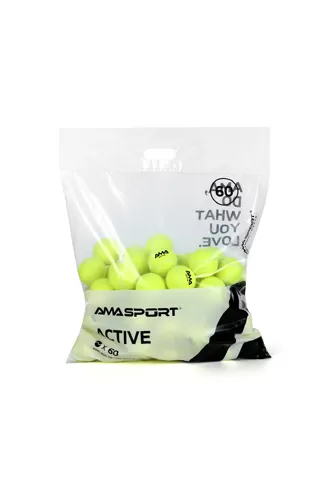
For canned tennis balls, pay attention to whether the air pressure is sufficient. If the sound of air releasing is very weak when opened, or the balls feel significantly "soft," the pressure might be low or stored improperly, affecting storage and usage performance. Bagged tennis balls (mostly pressureless or training use) can be checked for rebound by pressing: if they do not quickly return to shape after being pressed, it often indicates insufficient elasticity or material aging.
Felt material is also crucial. High-quality felt usually has higher density, better uniformity, stronger wear resistance, and elasticity, providing more stable ball friction, which is beneficial for control and spin. Finally, try to choose well-known brands or products with stable reputation, as they typically have more reliable materials, craftsmanship, and quality control, with smaller batch differences.


 EN
EN